By now, you’ve likely heard of a variety of different training tools that can be useful for safe dry-fire and/or live-fire practice. One popular item is the snap cap or dummy round.
These typically colorful, relatively inexpensive tools are often used to aid firearms safety training, conduct function checks, assist with malfunction practice or help shooters overcome flinching by focusing on a smooth trigger press.
Of course, while the terms snap cap and dummy round are often used interchangeably, there is actually a difference. So, if you’re a stickler for terminology — or just want to be in the know — keep reading.
Snap Caps
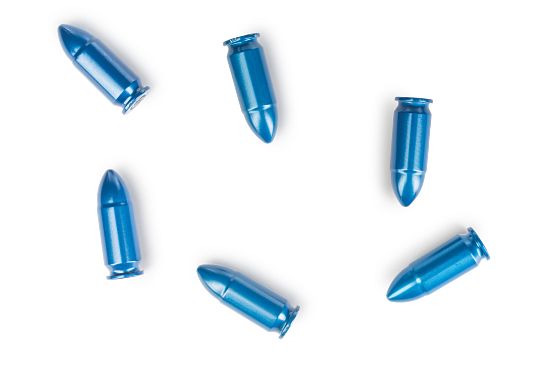
Originally a trademarked name, “snap cap” is now a general term for plastic or metal objects made to mimic live rounds in size, shape and weight — without any primer, powder or projectile.
Key features:
- Can be used in magazines and chambers
- Protects firing pins during dry-fire practice
- May include a false primer (rubber, polymer or spring-buffered)
NOTE: Always check your firearm’s manual or manufacturer’s website to confirm dry-firing is safe for your model.
Ready to train smarter? Grab your USCCA Premium 9mm Snap Caps here.
Dummy Rounds
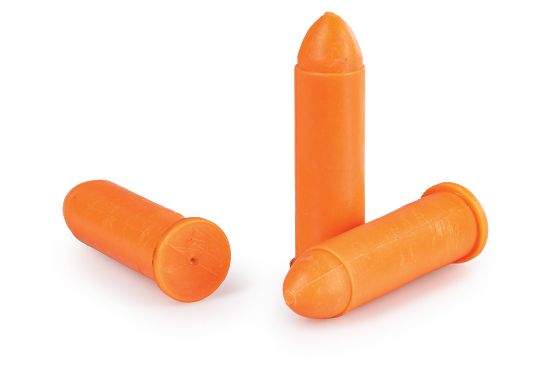
Unlike snap caps, dummy rounds are not intended for dry-firing. While they may look like training rounds, most are not designed to absorb impact from a firing pin.
Some dummy rounds are even handmade from deactivated live rounds — which could be confusing or even dangerous if not clearly marked.
Best uses:
- Loading/unloading magazines
- Teaching and practicing gun manipulation (clearing, unloading, etc.)
‘Fake Ammo’ in Use: 3 Training Drills
Using snap caps and dummy rounds can significantly boost your confidence and skill — all without the risks of live fire. Here are three drills to try:
1. Reload Drill
Load several mags with dummy rounds. Start with an empty gun and simulate both emergency and tactical reloads.
- Time your performance
- Focus on mag seating, slide manipulation, and situational awareness
Tip: Perfect for dry-fire at home — just ensure no live ammo is present.
2. Malfunction Drill
Mix snap caps with live rounds at the range. When you hit a “click” instead of a “bang,” practice clearing it with the tap-rack-roll method.
- Tap the mag, rack the slide, roll the gun slightly
You can also induce specific malfunctions (like stovepipes or double feeds) and clear them using a rip-rack-reload.
- Rip out mag, rack slide 3 times, insert fresh mag
3. Trigger Control & Follow-Through Drill
If you struggle with flinching or shooting low-left, this is for you. Mix snap caps and live rounds in a mag.
- Fire at close range
- Focus on smooth trigger press and steady sight alignment
When you reach a snap cap, watch for movement — your gun shouldn’t budge except for the trigger.
Snap Caps vs. Dummy Rounds: Which Is Best?
Understanding the difference between these tools helps tailor your training to your goals:
- Snap Caps: Best for dry-fire, especially when protecting your firing pin from repeated strikes.
- Dummy Rounds: Great for reloads, malfunction drills, and firearm manipulation (not dry-fire safe).
Incorporating both into your training will improve safety, efficiency, and skill. Just be sure to follow safety protocols, and clearly separate any “fake” ammo from your live rounds.
With the right tools and the right mindset, you’ll become a more confident and capable shooter.