September is Emergency Preparedness Month, a nationwide initiative led by FEMA and Ready.gov to remind Americans that disasters don’t wait for convenience. Emergencies can strike with little warning, whether it’s a natural disaster, social unrest or a personal crisis in a grocery store parking lot.
Emergency Preparedness Month is all about responsibility. It’s a reminder to sharpen your readiness skills and recommit to protecting yourself and your family.
True readiness extends far beyond a flashlight and canned goods. It means cultivating a mindset, building reliable plans and equipping yourself with the skills and tools needed to face life’s unexpected challenges.
Everyday Preparedness: More Than Just a Gun
Preparedness begins with carrying daily. The one time you don’t bring your firearm could be the time you need it most.
But being prepared is more than strapping on a pistol. It’s also about awareness.
Parking lots or parking garages are prime spots for robberies, assaults and carjackings to happen. Staying alert and maintaining situational awareness are often the difference between being surprised by an attack and spotting it before it begins.
Ready to Build True Preparedness Skills?
Being prepared means more than just having the right gear. With professional training, you’ll develop the situational awareness, conflict avoidance, and defensive skills needed to protect yourself and your family in any emergency situation.
The USCCA’s expert-led classes cover everything from everyday carry fundamentals and situational awareness to emergency response and legal preparedness — giving you the complete skill set to face unexpected challenges with confidence.
Over 1 million students have been trained nationwide. Find a USCCA Certified Instructor in your area and take the next step in your preparedness journey.
Find Preparedness Training Near You →
Testing Your Tools Before You Need Them
Preparedness also means confidence in your hardware. Your everyday carry gun should not be an untested tool.
Breaking in a firearm with a couple hundred rounds ensures that malfunctions are caught early. Don’t just load and trust your defensive ammunition.
Run it through your gun in realistic conditions. A clean, lubricated and tested firearm is one you can depend on when your life is on the line.
Planning for Family Emergencies
Preparedness is about more than kit bags and ammo. A prepared parent or family leader knows the importance of anticipating worst-case scenarios, keeping a first-aid kit in the car, learning CPR, and carrying both knowledge and tools to protect loved ones.
Readiness is passed from parent to child through both lessons and lifestyles. So while stocking supplies and teaching manners is important, don’t forget about safety rules and situational awareness.
Building Your Kit: Essentials for Any Crisis
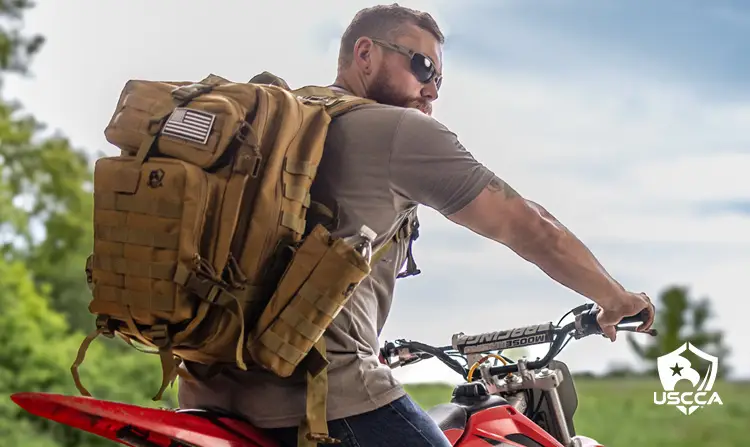
Every family should maintain a solid emergency kit or bug-out bag. It can mean the difference between comfort and chaos.
Along with everyday carry tools, consider:
Emergency food and water: A backpack or bucket of long-term food and bottled water sustains you when supply chains break down.
First-aid and trauma kits: A tourniquet, bandages and basic medical supplies can save lives when seconds matter.
Lighting and fire-starting tools: From rechargeable lanterns to waterproof matches, being able to see and stay warm matters.
Multi-tools and repair gear: Knives, duct tape and basic repair supplies are indispensable when infrastructure fails.
Personal protection: A reliable handgun, spare ammo and even a longer defensive firearm (where legal) may be needed in times of widespread unrest.
Disaster-Specific Preparedness
Preparedness isn’t one-size-fits-all. Emergencies look different depending on where you live.
Hurricanes & floods: Secure your home, stock sandbags and plan evacuation routes inland.
Wildfires: Keep defensible space around your property and pre-pack evacuation kits.
Earthquakes: Anchor furniture, store shoes and flashlights by the bed, and know how to shut off utilities.
Winter storms & blizzards: Keep blankets, extra food and backup heating sources in your home and vehicle.
Tornadoes: Identify safe shelter zones in your home and practice family drills.
No matter your region, have a plan tailored to the disasters most likely to strike.
Situational Awareness and Conflict Avoidance
Emergency preparedness is not only about gear but also decision-making. Training challenges remind us that conflict avoidance is as critical as any tool.
The best fight is the one you never get into. Understanding the legal ramifications of force, practicing situational awareness and staying calm in the face of stress are all part of being a responsible protector.
The Bug-Out Mindset
Emergencies can force you to leave home quickly. Having a bug-out bag packed with food, water, fire-starting tools and even barter items provides mobility and security.
Some packs come pre-stocked with freeze-dried meals, stoves, water filters and survival gear, but every family should personalize theirs to fit unique needs.
Take Charge of Your Emergency Preparedness Today
Preparedness is a mindset. It means carrying daily, staying aware, keeping your gear reliable, training consistently and planning for your family’s safety.
Emergency Preparedness Month is your reminder: don’t wait until disaster strikes to find out whether you’re ready.
Be prepared. Be aware. Be armed — not just with tools, but with knowledge and confidence.
That’s how you keep your family safe.
This article is a compilation of previous blog posts authored by Bob Campbell, Beth Alcazar and John Caile.
❓ FAQ
What is Emergency Preparedness Month?
Every September, FEMA encourages Americans to review their emergency plans, refresh supplies and commit to readiness.
How much food and water should I store?
Plan for at least three days per person, but more is better. A two-week supply of food and one gallon of water per person per day is a strong baseline.
What should go in a car emergency kit?
Include water, non-perishable snacks, blankets, a flashlight, first-aid supplies, jumper cables, a multi-tool and a compact means of self-defense.
How do I make a family emergency plan?
Identify safe meeting points, exchange backup contacts and practice what to do if cell networks fail. Don’t wait for panic to test your plan.
Should I involve my kids?
Absolutely. Teaching kids to stay calm, follow safety rules and trust their instincts builds resilience. Readiness is as much about mindset as it is about gear.