Back-to-school season always seems to come with a list: lunchbox, water bottle, pencils, folders, new shoes. Maybe a calculator. Definitely more glue sticks than any household should reasonably need.
But there’s another list parents should be thinking about too: What does my child need to know to stay safe when I’m not there?
In today’s world, back-to-school safety is about more than crossing the street. It’s about preparing your children for a range of real-world dangers, from bullying to school violence. Kids can face medical emergencies, severe weather, fires, transportation problems and the ordinary bad decisions that come with being young and learning how the world works.
Our job as parents isn’t to scare them into believing danger is around every corner. It’s to give them age-appropriate tools, habits and plans so they can make better decisions when something unexpected happens.
Back-to-school safety is really about three things:
- Awareness
- Planning
- Preparation
Gear can help. Planning certainly helps. But the most important thing we can give our children is the ability to recognize when something is wrong and knowledge of what to do next.
What Does Back-to-School Safety Include?
When people hear “school safety,” they often think of the worst possible situation first.
That’s understandable, but it’s too narrow.
School safety can mean knowing how to respond to a bully. It can mean understanding where to go during a fire drill or having a way to contact family members after an emergency. It can mean recognizing that something or someone feels wrong and knowing which adult to tell.
It can also mean understanding basic first aid, carrying emergency identification, being aware of exits and knowing the difference between something unusual and something truly dangerous.
The goal isn’t to make children hypervigilant; just situationally aware. Situational awareness should be an escalation of awareness, not fear. Children need to learn how to notice what is happening around them without being taught that every person or situation is a threat.
We want aware kids, not paranoid ones.
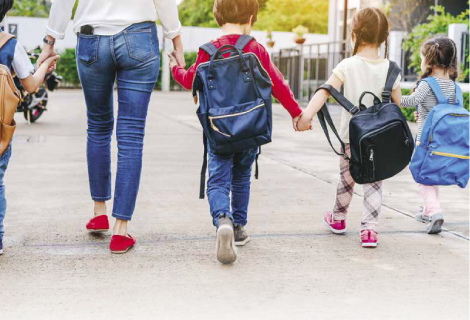
Back-to-School Safety Checklist for Parents
Before the school year gets too far underway, parents should make sure a few basic things have been discussed.
- Does your child know his or her full name, address and important phone numbers?
- Does your child know who the trusted adults are at school?
- Have you discussed what to do if your child becomes separated from the class or teacher?
- Does your family have a meeting place after an emergency?
- Does your child know who is allowed to pick him or her up?
- Have you discussed bullying and how to report it?
- Does your child know how to call 911 if age-appropriate?
- Have you talked about exits, escape routes and safe places?
- Does your child carry emergency identification?
- Have you discussed what items in a backpack or emergency kit are actually for?
- Is the plan appropriate for your child’s age and maturity?
- Have you practiced any of it?
The last question matters more than most. A plan nobody has practiced is mostly a collection of good intentions.
Teach Situational Awareness Without Teaching Fear
Kids are naturally distracted. To be fair, so are adults.
Think about how many people walk through a parking lot staring at a phone or wander through a store without noticing the people around them. Children are often even less aware because they simply have less life experience.
That doesn’t mean we should lecture them constantly about danger. Instead, awareness can be taught as a game.
When you’re in a restaurant, ask your kids simple questions:
- What color shirt was the server wearing?
- Where is the nearest exit?
- How many doors did we pass on the way in?
- What did the person at the next table order?
Those questions don’t create fear. They teach observation.
Hide-and-seek and scavenger hunts can do the same thing. They teach kids to notice unusual objects, remember locations and control emotions while trying not to be found. Even ordinary games can build useful awareness habits.
And remember that awareness should grow with the child. You don’t talk to a kindergartner about danger in the same way you talk to a high school student. Meet kids where they are developmentally, then increase the complexity of the lessons as their independence grows.
How to Prepare Kids for Bullying and Cyberbullying
Bullying has been around forever. The methods just change.
And while the numbers have improved over time, the problem certainly hasn’t disappeared. According to the National Center for Education Statistics, 19 percent of students ages 12 to 18 reported being bullied during school in 2021–22. Among those students, 22 percent said the bullying happened online or by text.
The most commonly reported forms of bullying were being the subject of rumors and being made fun of, called names or insulted. Physical bullying still occurs too, with 5 percent of students reporting that they had been pushed, shoved, tripped or spit on.
Whether the problem happens in the hallway, through text messages, in a group chat or on social media, the same basic self-defense principles still work: avoid, escape and defend.
Avoiding Bullying
If your child knows certain kids or groups tend to cause problems, creating distance can help. That might mean using another hallway, choosing a different seat or walking with a friend.
This isn’t about teaching children to reorganize their entire lives around a bully. It’s about recognizing patterns and making smart choices when they can. Kids who pay attention to who is around them and what is happening may be able to avoid unnecessary confrontation before it starts.
Parents should also teach children not to contribute to bullying. Rumors, cruel jokes, cyberbullying and piling onto someone else’s humiliation all count. Children should understand that they are responsible not only for protecting themselves but also for how they treat others.
Escaping Bullying
Sometimes avoidance doesn’t work. In that case, disengagement may be the best answer.
Kids can still escape conflict by simply walking away or moving toward a trusted adult. If the bullying occurs digitally, teach your kids it’s OK to shut off the phone, delete the app or simply stop reacting.
Equip your kids with basic de-escalation: remain calm, stay neutral and avoid giving the bully the emotional reaction he or she wants. Those skills won’t work in every situation, but children can practice simple words and responses ahead of time so they don’t have to invent them under stress.
Defending Against Bullying
While kids shouldn’t go looking for confrontation, they do have the right to defend themselves if threatened. Defense does not automatically mean fighting.
It can mean firmly saying, “Stop,” or shouting, “No! Get away from me!” Defending oneself may mean running for help, reporting the situation or getting an adult involved.
And if a child is physically attacked and cannot escape, self-defense may eventually mean fighting back long enough to get to safety.
The point is to raise children who understand they have value and are worth protecting. Empower your child to not just protect themselves, but to speak up for others as well.
What Should Be in a School Emergency Kit?
Backpacks are already heavy enough, so I’m not suggesting we turn our kids into walking emergency supply closets. But a few practical items can give them additional options. However, no piece of gear replaces awareness, training or a family emergency plan.
Flashlight: A compact flashlight can be useful if the power goes out, a child needs to move through a dark area or visibility is otherwise limited.
If you choose to put one in a backpack, make sure your child knows where it is and how to operate it.
First-aid supplies: A small kit with basic supplies such as gauze, bandages and alcohol swabs can be useful.
Older children may be ready for more advanced first-aid training, including how to use a tourniquet, but age and maturity matter. The goal is not simply to put equipment in a backpack. The child needs to understand what it is and how it is used.
Emergency identification: Kids should memorize important contact information, but stress can make recall difficult.
An emergency ID card, Road ID’s Shoe Tag, or a bracelet or keychain can provide a name, emergency contact information and relevant medical details if a child is injured or separated from family.
GPS or location tracker: Families who use smartphones may choose a location-sharing app like Life360. Others may prefer a wearable GPS tracker. Depending on the device, features may include safe zones, alerts or emergency notifications.
But remember, technology is not the plan. Families still need to discuss what happens if they become separated and where they should reunite when it is safe.
Ballistic backpack panels: Some parents choose to place ballistic panels in their children’s backpacks.
If you do, be realistic about what they can and cannot do. A panel does not create a full-body shield. It covers only part of the body and should not give children a false sense of security. It is simply another option that may provide additional protection in an extreme situation.
Build a Family Emergency Communication Plan
If something happens at school, one of the first questions every parent is going to ask is: Where is my child? Your child is going to be asking the same thing about you.
Talk about that before there is an emergency and choose a family meeting place. Make it specific.
“Go to the bus” is not a great plan because buses move. “Go to Aunt Susan’s house,” “meet at the library parking lot” or another fixed destination is much clearer.
Children should also know who they are allowed to leave with. A family password can be useful for trusted friends or relatives who may need to pick them up. Make sure the password is something children will remember but strangers are unlikely to guess.
And have backups. If Mom cannot be reached, who comes next? Grandma? A neighbor? Children should not be figuring out the chain of command during the emergency.
Know Your Child’s School Emergency Plan
Your family can have the best emergency plan in the world, but your kids spend a significant part of their day operating under someone else’s plan. So find out what that plan is.
Start by asking your children what they’ve been taught to do during a fire, severe-weather emergency, lockdown or violent attack. Don’t stop at “We have drills.” Ask what actually happens. Where do they go? When are they expected to evacuate? Where do they shelter? How are students and parents notified?
Then do a little homework of your own. Check the school or district website for published emergency policies. If you still have questions, ask an administrator or school resource officer. You’re not trying to second-guess every decision the school makes. You’re trying to understand the plan your child will be expected to follow so your family plan can work with it.
Questions Parents Can Ask
- What emergencies does the school practice for?
- What are students taught to do during a lockdown?
- When are students expected to evacuate?
- What should a student do if he or she is outside the classroom when an emergency begins?
- How does the school communicate information during an emergency?
- Are school resource officers or other security personnel present?
- What entrances do students normally use?
- Where are students taken after an evacuation?
- How and when are parents notified?
- What does my child understand about the plan?
If you find something in the school’s plan that concerns you, decide whether it’s something you can realistically influence. Ask questions. Talk with administrators. Get involved when appropriate. You may not be able to change every policy, but understanding what you can control, what the school controls, what you can advocate for and what your child can personally do is part of preparedness too.
Teach Kids What to Do During a School Emergency
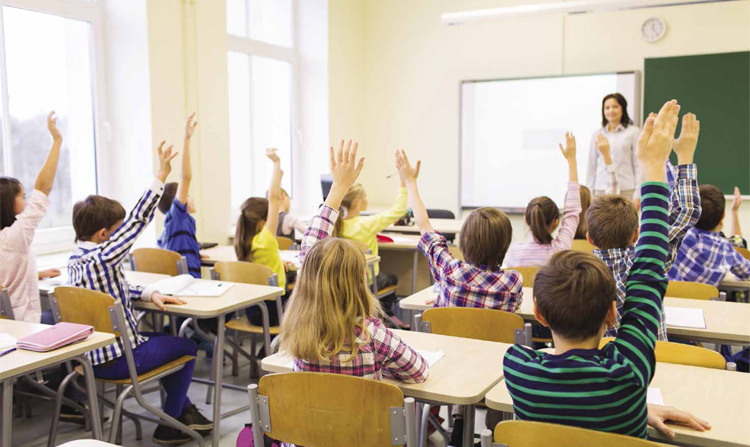
Because parents cannot be physically present every second of the school day, children eventually need some ability to act on their own. Exactly what that looks like depends on age and maturity.
The basics are straightforward:
- Recognize that something unusual is happening.
- Listen for useful instructions.
- Know where exits are.
- Move away from danger when possible.
- Know where to go after leaving.
- Find trusted adults.
- Stay with siblings or classmates when appropriate.
- Adapt if the original plan no longer makes sense.
Teach Kids to Run, Hide and Adapt
We spend a lot of time telling children to listen to adults. But emergencies do not always unfold according to the plan. Teach kids to understand and follow their school’s emergency procedures, while also developing the awareness to recognize what is happening around them.
Children should understand that if they are in immediate danger and have a safe opportunity to move away from it, escape is important. The goal isn’t to encourage children to ignore teachers or “go rogue.” It’s to make sure they understand the plan well enough to participate in it when something unexpected happens.
A child who has never thought about exits, hiding places or meeting locations is more likely to freeze than a child who has practiced a simple plan.
Lockdowns, Evacuations and Reunification
Schools may use different emergency-response models, so don’t assume your child’s school handles every emergency the way another school does. Some schools teach versions of Run, Hide, Fight, while others use programs such as ALICE, which stands for Alert, Lockdown, Inform, Counter, Evacuate.” The terminology matters less than knowing which model you child’s school actually teaches.
Ask your children what “lockdown” means at their school. Do classroom doors lock? Are students taught to move out of sight? What happens if they’re in the hallway, cafeteria or outside when an emergency begins? When are they expected to evacuate rather than shelter in place?
Schools already practice emergency drills for fires, severe weather and violent threats. Parents should know what those procedures involve at their children’s schools and talk about them at home.
- Ask your children what happens during a lockdown.
- Ask where they go during a fire drill.
- Ask what happens if they are outside when an emergency begins.
- Ask where they are supposed to go if the school evacuates.
Most importantly, make sure children understand that if they leave the school grounds during a true emergency, they should go to the family’s predetermined meeting location rather than wandering around trying to find friends or parents.
Parents should also know that normal pickup procedures may change during a major emergency. Your family plan should therefore include backup contacts and alternate ways to reconnect.
Discussing School Safety Plans by Age
A kindergartner and a high school senior should not have the same plan.
Preschool and Early Elementary
Keep instructions simple. Young children benefit from repetition, visual reminders and very basic rules.
They should know:
- their full name
- a parent’s name
- a simple emergency contact
- which adults are safe to approach
- basic instructions such as stop, leave, hide or get help
Elementary School
Children begin understanding cause and effect more clearly. They can also begin learning why certain plans exist instead of merely memorizing them.
This is a good age to reinforce:
- exits
- safe adults
- meeting places
- family passwords
- what to do if separated
- basic emergency communication
Preteens and Middle School Students
Older children can handle more responsibility.
They may be ready for:
- basic first aid
- more detailed situational-awareness training
- understanding cover versus concealment
- helping younger siblings
- remembering alternate routes
- following a family communication plan independently
Teenagers
Teens can participate in the full family emergency plan. But don’t confuse physical maturity with perfect judgment. Teenagers still need structure, reminders and practice.
Teens should know:
- transportation backups
- emergency contacts
- meeting locations
- first-aid training
- greater awareness of school layouts
- responsibility for younger siblings
- age-appropriate self-defense education
How to Teach Kids About Firearms Safety
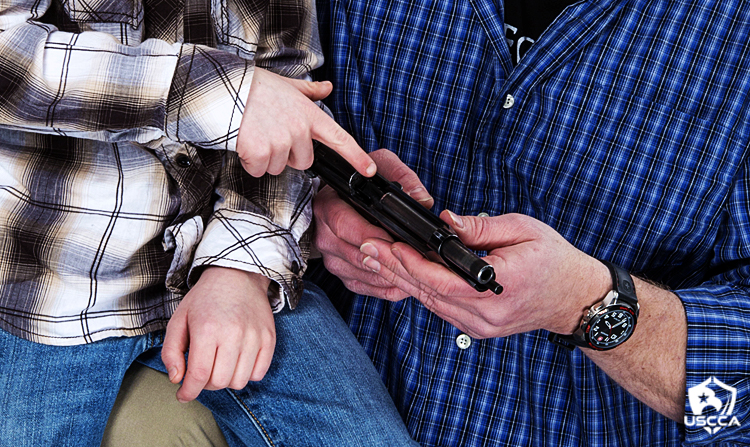
Readiness for firearms education also depends on maturity, emotional control and the ability to follow instructions, not merely chronological age. Even children who do not live in homes with guns may encounter one somewhere else.
Basic firearms safety knowledge is relevant to more than gun-owning families.
For young children, firearms education can begin with simple rules: Don’t touch, move away, tell an adult.
As children grow, the conversation can become more detailed. Older children can learn basic firearms concepts, structured safety lessons and, when appropriate, supervised handling.
The point is not to teach every child to shoot. But all children need to understand that firearms are not toys and know what to do if they encounter one unexpectedly.
Keep Building Your Family Safety Plan
School safety is only one part of protecting your family. Learn how situational awareness can help you recognize potential problems earlier, wherever you and your family go.
Back-to-School Safety Is About Confidence, Not Fear
Parents naturally want to shield their children from frightening possibilities. But pretending bad things never happen does not make children safer.
Talk about bullying, fires and severe weather. Talk about what happens if you cannot get to them. Talk about what they should do if another adult’s instructions do not make sense or seem unsafe. And listen when your children tell you something feels wrong.
Prepared kids have options. They know who to call, where to go and how to recognize when something isn’t right.
One of the best ways to prepare children is to make preparedness normal. Don’t sit them down once a year for a terrifying lecture about everything that can go wrong. Build awareness and planning into normal family life.
- Ask questions in restaurants.
- Play observation games.
- Practice remembering exits.
- Ask your child what he or she would do if separated from you at a store.
- Run through the family meeting place.
- Review emergency contacts.
- Talk about what to do if the normal plan changes.
Children often notice far more than adults give them credit for. Parents should reinforce that capability instead of assuming kids are oblivious. As kids get older, their abilities change and their plans should change with them. But the principle stays the same: Be aware.
Preparedness is a skill. Skills improve with repetition. Give kids a plan, then practice it. Let them go to school knowing that preparation does not mean living in fear. It means being ready.
This article is a compilation of previous blog posts authored by Beth Alcazar with material from Concealed Carry Magazine articles by Joel T. Nadler, Kristen Jackson and Trent Marsh.