Even retired cops have to qualify for the LEOSA card, so I found myself on the range with a group of cops the other day. At this range session, we were forced to address the idea of regular gear checks.
I’ve completed a variety of firearms qualifications over the years, including training at Gunsite and the SIG Academy. Each experience reinforces the importance of staying proficient with your firearm. But this particular qualification reminded me of something just as important as shooting skills: If you haven’t checked your equipment, how do you know it will work when you need it?
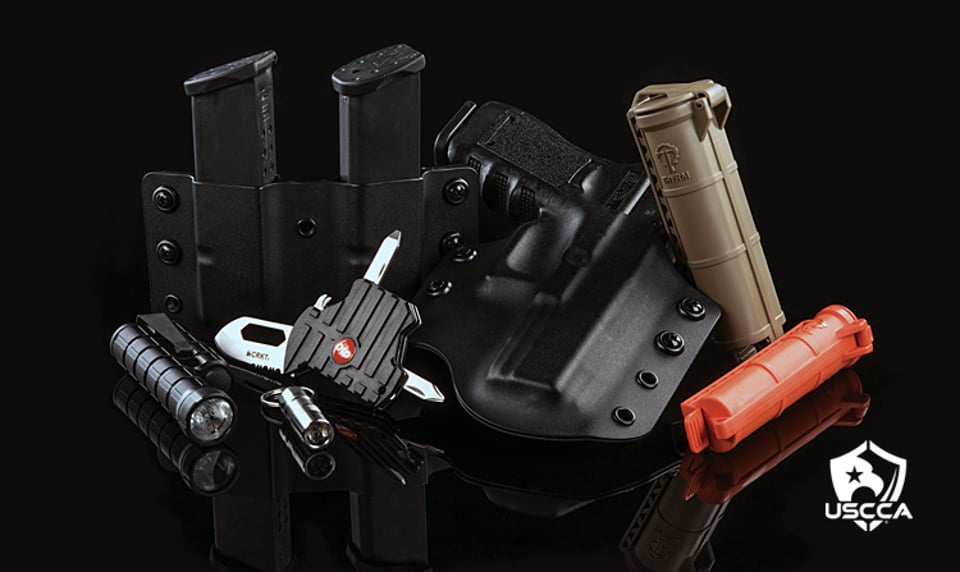
A gear function check is more than a quick look at the equipment you carry. It means inspecting your firearm, holster, flashlight and other everyday carry (EDC) gear to make sure everything is in good condition and functioning as intended.
Key Takeaways
- Regular gear function checks help identify damage, wear and equipment problems before you need your everyday carry gear in an emergency.
- Inspect your firearm, magazines, ammunition, holster, flashlight and other EDC equipment for signs of damage or improper function.
- A visual inspection is not the same as a complete function check. Follow the firearm manufacturer’s instructions and practice with the equipment you actually carry.
- Build a repeatable inspection routine based on your equipment, how often you use it and the manufacturer’s recommendations.
Why Regular Gear Function Checks Matter
It was during the rifle portion of the qualification that we were all reminded to do regular gear checks. A young officer went to the cruiser to grab a rifle. I should point out that this particular department uses shared vehicles, so this was not her squad; it was just the squad she had that day.
She grabbed the rifle, and the range safety officer asked her to show that it was clear by removing the magazine and locking the bolt to the rear.
Rifles in this department are carried in the squad with a full magazine and an empty chamber. When it’s time to deploy a rifle, the officer must run the charging handle to load the chamber, then engage the safety and head toward the danger.
Well, she dropped the magazine just fine, but when she tried to run the charging handle and lock the bolt to the rear, the handle moved about an inch, made a loud metallic click and would go no further. With a quizzical look on her face, she turned to me and said, “Something is wrong here.”
Indeed.
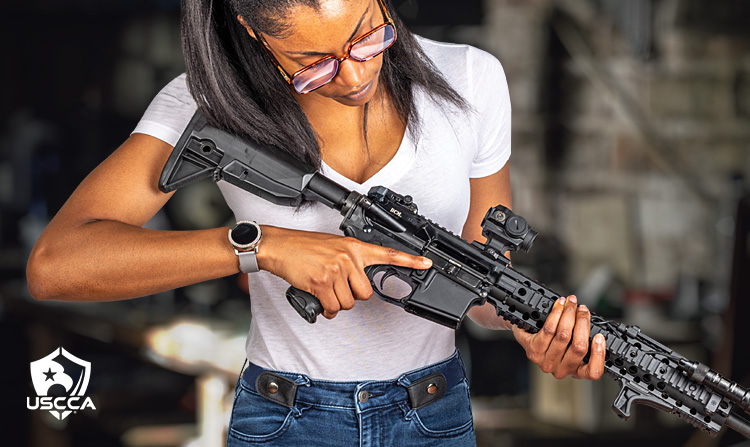
Without going into gun geek mode, I’ll try to explain what happened. The carbine was equipped with an aftermarket end plate with loops for attaching a sling. This plate fits between the buffer tube retaining nut and the lower receiver. It holds the takedown pin detent and spring in place, and the loops on the side allow the attachment of a single-point sling.
Well, someone bumped or yanked on that hard enough to rotate the plate so the loop would prevent the charging handle from being pulled to the rear. This also allowed the detent spring to pop out and get bent 90 degrees.
I happened to say, “It’s lucky you didn’t lose the detent.”
That’s when the training officer said, “It’s lucky you didn’t NEED that rifle.”
It hit me like a brick. No one had looked at that rifle and run a pre-shift function check in a while. It’s not a policy. It’s not on a checklist. The gun was damaged … and no one knew it.
We fixed it, but it took an armorer’s kit and spare parts. That gun was not ready for use and could not be made ready without those tools and a replacement spring. It was useless for self-defense.
Now think about the equipment you carry every day. Is it ready?
How to Perform an EDC Gear Function Check
So, I ask: How often do you do a function check on your everyday carry gear?
Does everything that you carry every day work as it should? How do you know? Have you checked?
A function check doesn’t have to become an hour-long project. But you should do more than glance at your equipment and assume everything is fine. A quick inspection can identify obvious problems, while periodic maintenance and testing help confirm that your gear is working as intended.
Here’s what to look for.
Check Your Firearm for Wear and Proper Function
Is your gun clean and functioning?
That sounds like a simple question, but a gun doesn’t have to be fired to get dirty. Lint from clothing, debris from holsters and corrosion can develop on an everyday carry gun that spends most of its time being carried rather than fired.
When performing regular firearm maintenance, start by safely unloading your firearm and verifying the chamber is empty. Keep ammunition out of the same area.
Look for dirt, lint, corrosion, loose components and anything that appears damaged or out of place. Pay attention to areas where debris can accumulate and moving parts that may show signs of unusual wear.
Then follow the manufacturer’s instructions for checking the firearm’s mechanical operation. Different firearms have different procedures, and you need to know the correct process for yours.
Don’t confuse a visual inspection with a complete function check. And don’t assume that because a gun worked the last time you fired it, everything is still fine today.
Inspect Your Magazines and Ammunition

Even if your gun is in perfect condition, your magazine may not be.
Magazines get dropped, bumped, dirty and worn. Inspect them for visible damage, corrosion and debris. Check that the baseplate is secure and look for problems with the follower or other components.
Pay attention to how the magazine fits and operates.
I’ve seen equipment failures show up during training that could have been caught earlier. That’s one reason I keep telling people to practice with the gear they actually carry. You want to discover problems during a controlled training session, not during an emergency.
Inspect your ammunition for visible damage or corrosion, too.
Check Your Holster
Is your holster in good condition? Do all the snaps work? Are retention screws loose?
Your holster is part of your everyday carry system. If it doesn’t securely hold the gun or stay attached where it belongs, you’ve got a problem.
Look for cracks, excessive wear, damaged stitching or anything else that could affect the holster’s fit or function. Check belt clips, loops, snaps and retention hardware.
With an unloaded firearm, verify that the holster provides the intended retention and that its attachments remain secure.

Test Your Flashlight and Batteries
Are your flashlight batteries dead? There’s one way to find out. Turn the light on.
Check that the switch works, the light produces the expected illumination and the available settings function properly. If it’s rechargeable, make sure it has enough charge. If it uses replaceable batteries, inspect them and replace them as needed.
Your flashlight is probably one of the most frequently used pieces of EDC equipment. That means you have plenty of opportunities to notice when something isn’t working right.
Inspect Your Other EDC Equipment
What else do you carry?
Maybe you have a spare magazine, a medical kit or other emergency equipment. Whatever is part of your regular carry setup deserves attention.
And when you add something new to your everyday carry setup, take the time to learn how it works.
I’ve said it before: Practice with your gear before you need it. A new piece of equipment might look great, but you won’t know how well it works for you until you’ve actually checked and practiced with it.
How Often Should You Check Your EDC Gear?
Here’s the thing about gear checks: You have to actually do them.
The appropriate schedule depends on the equipment, how often you use it and the manufacturer’s recommendations.
A simple, repeatable routine is all that’s needed. Before carrying, take a moment to look over the equipment you’re about to depend on.
Checking your kit doesn’t take long. This is your emergency life-saving gear. Get in the habit of making sure everything works as it should because when you need it, nothing else matters.