USCCA Resources
Decoding Ammunition Boxes
Ammunition box labels are chock full of acronyms which can make it difficult to understand and to determine what you need to purchase for your firearm. This list should help to remove some of the mystery.
Browse the TermsArmor-Piercing Ammunition
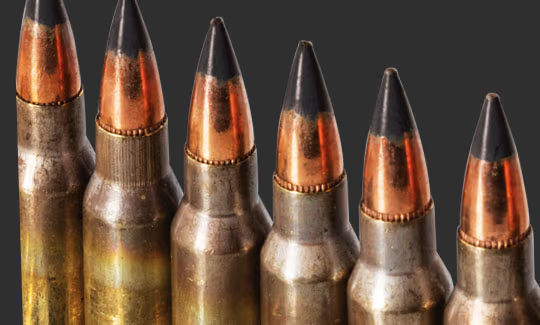
Armor-piercing ammunition is designed to penetrate ballistic armor and protective shields intended to stop or deflect conventional bullets. Armor-piercing handgun ammunition is federally banned for civilian use or ownership in the U.S. Per 18 United States Code, § 921(a)(17)(B). The term “armor piercing ammunition” means:
- A projectile or projectile core which may be used in a handgun and which is constructed entirely (excluding the presence of traces of other substances) from one or a combination of tungsten alloys, steel, iron, brass, bronze, beryllium copper or depleted uranium
- A full-jacketed projectile larger than .22 caliber designed and intended for use in a handgun and whose jacket has a weight of more than 25 percent of the total weight of the projectile
One type of armor piercing ammunition is steel core ammunition, which, when fired from a handgun, can regularly penetrate an NIJ Level IIIA police duty vest because the harder steel doesn’t deform on contact with the high-tensile Kevlar.
+P and +P+ Ammunition
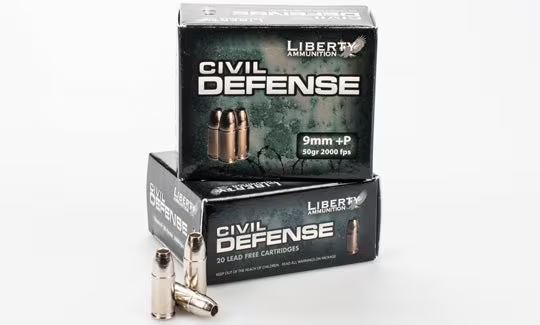
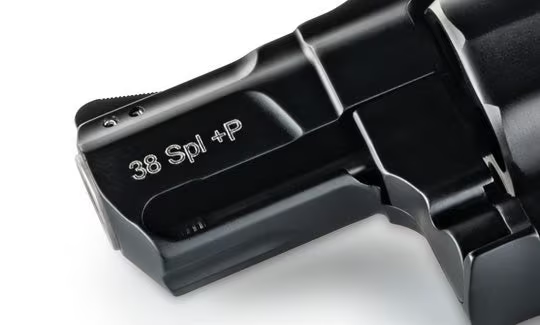
+P and +P+ are designators identifying ammunition as carrying a higher internal pressure than is standard for ammunition of its caliber. Certain firearms are designed to fire +P and +P+ ammunition, but not all are. Always consult a gunsmith before using any ammunition not specifically designed for use in your particular sidearm.
Ball Ammunition
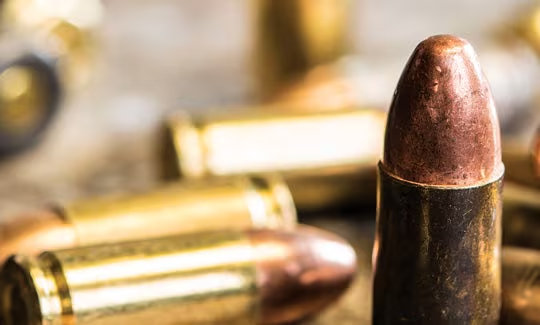
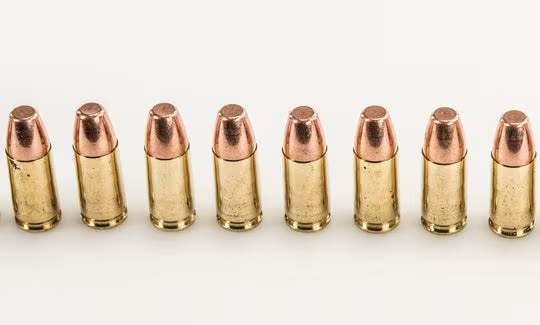
Ball is the military nomenclature for full metal jacket ammunition, as in “ball ammo.”
Berdan-Primed/Boxer-Primed Ammunition
Both Berdan and Boxer priming systems are forms of centerfire cartridges. Centerfire primers have the priming compound at the very center of the base of the cartridge.
Berdan-Primed Ammunition
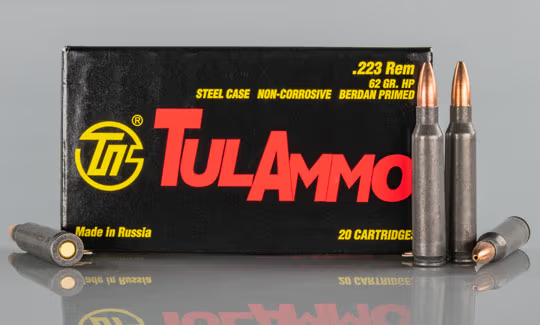
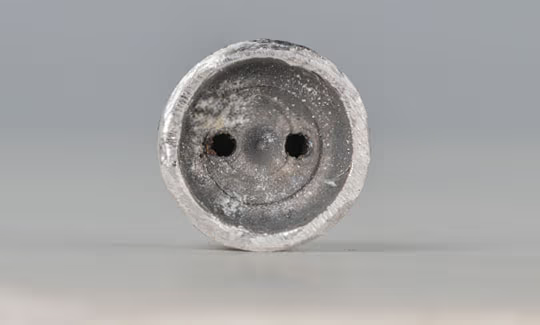
Berdan cartridge primers were invented by Civil War veteran, marksman and innovator, Brevet Major General Hiram Berdan. These primers feature the anvil (with two or three tiny flash holes) as part of the primer pocket of the cartridge. Unlike Boxer primers, which have an anvil (with only one flash hole) built directly into the primer cup, Berdan primers do not use the “anvil.” It is formed into the case head. Therefore, there are two flash holes on either side of the anvil.
While Berdan-primed ammo is slightly cheaper to manufacture, it also renders the spent cases impractical to reload. Berdan-primed ammunition is often military surplus ammunition or ammunition available from countries located outside of the U.S.
Boxer-Primed Ammunition
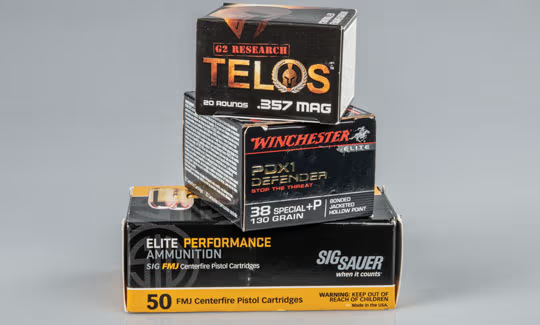
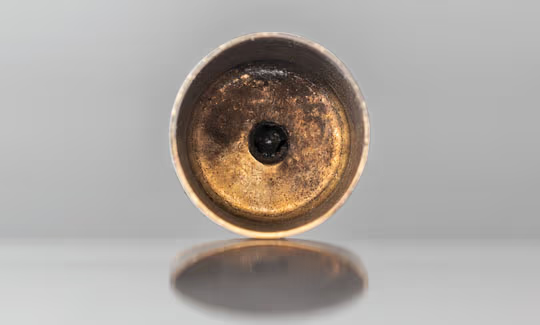
Colonel Edward Mounier Boxer of the Woolwich Royal Arsenal invented and filed a patent for his Boxer-primed ammunition in England in 1866 (1869 in the U.S.). The primer mixture is crushed against the anvil when a weapon’s firing pin strikes the base of the primer cup. This process creates a flash that goes through the flash hole, igniting the powder in the cartridge. It is the most popular primer style in the U.S., largely due to its ease of reloading.
Boxer primers are similar to Berdan primers with one significant difference: the location of the anvil. It sits inverted in the primer cup and provides resistance to the impact of the firing pin as it indents the cup and crushes the ignition compound. The primer pocket in the case head has a single flash-hole in its center.
Bimetal Ammunition
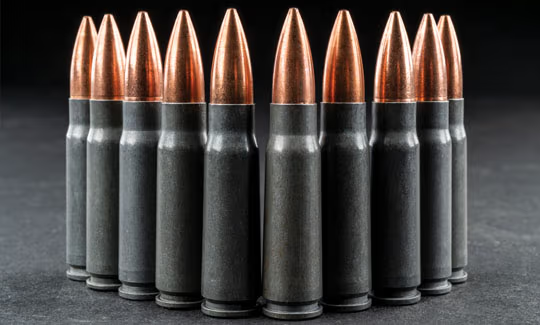
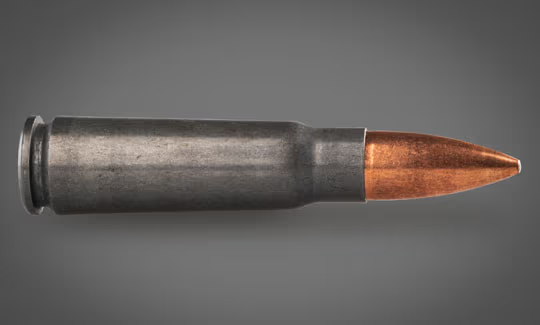
Bimetal ammunition uses a steel jacket rather than copper. The steel jacket is usually plated with copper, nickel, zinc or other metals to provide corrosion resistance and to increase lubricity. The plating is often quite thin, and bimetal bullets with a steel jacket are thought to be harder on barrel life.
Bonded-Jacket Hollow-Point (BJHP)
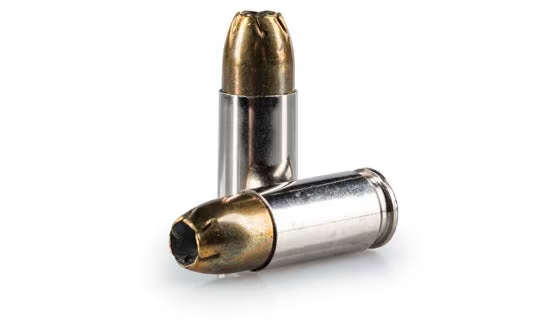
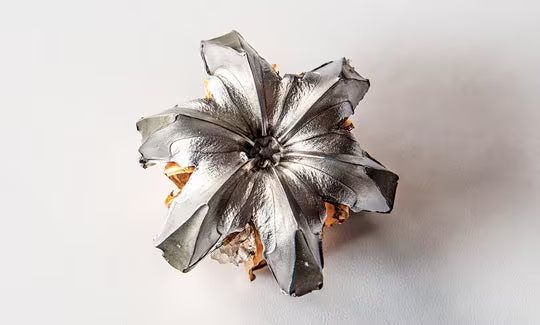
Bonded-jacket hollow-point (BJHP) is a style of self-defense projectile in which the jacket of the bullet has been specially bonded to the lead core, making for more reliable expansion and energy transfer.
Caliber
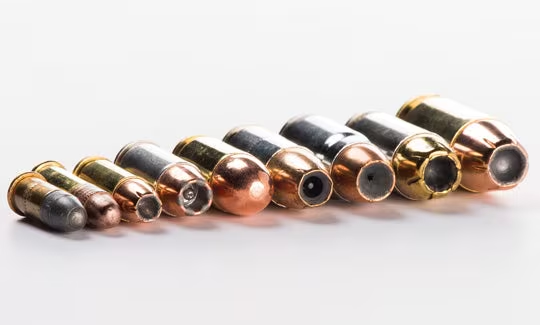
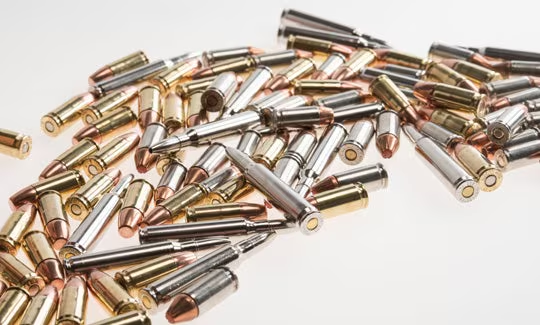
Caliber is the inside diameter of a firearm’s barrel and the outside diameter of its bullet measured in hundredths or thousandths of an inch (ie, .45cal/caliber) or millimeters (ie, 9mm).
Cartridge
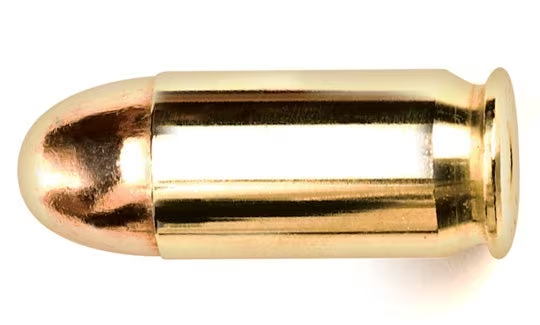
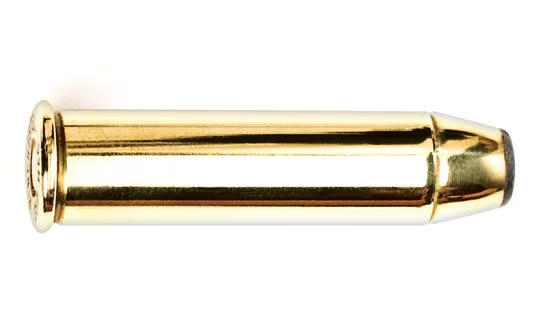
A cartridge is a single unit of ammunition. Modern ammunition is a self-contained capsule incorporating a projectile (the bullet), propellant (the powder), a primer and a case.
Case
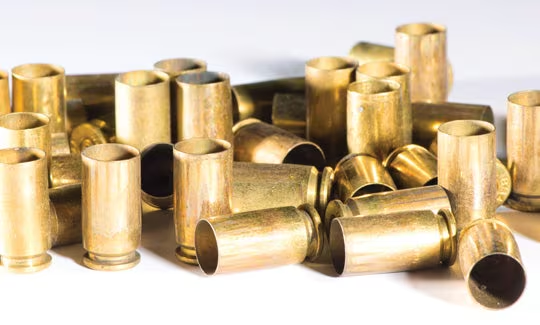
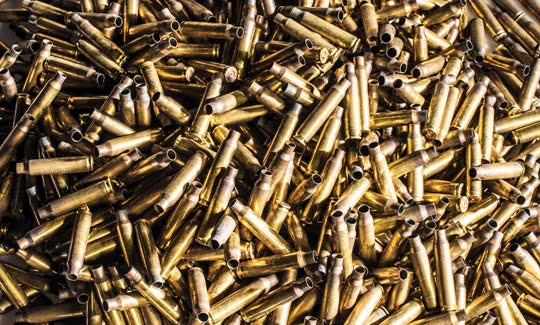
A case is the capsule that holds the other components of the cartridge together. It is made of brass, aluminium or steel. The case is the primary gas-retention mechanism in a firearm, sealing the chamber and preventing hot gases produced when firing from exiting the gun anywhere but from the muzzle.
Charge
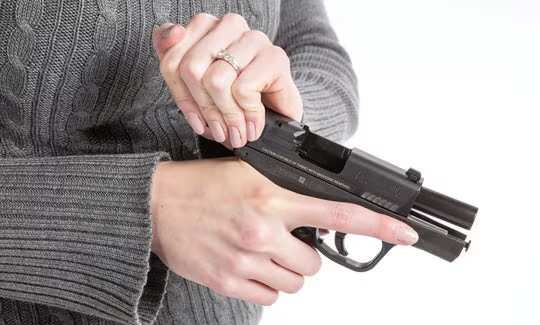
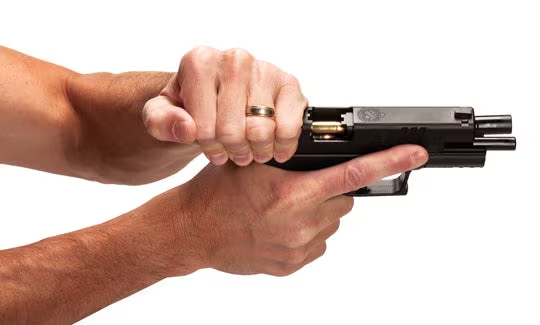
Charge is a term meaning to “load” a cartridge into the chamber of a semi-automatic gun.
Corrosive/Non-Corrosive Ammunition
Corrosive Ammunition
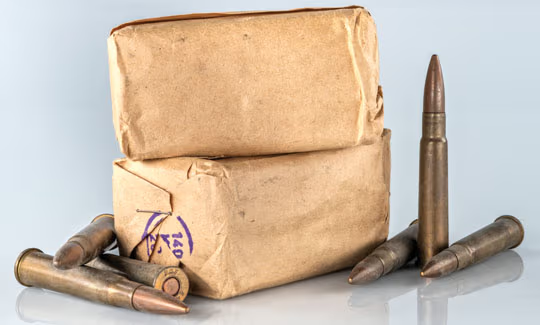
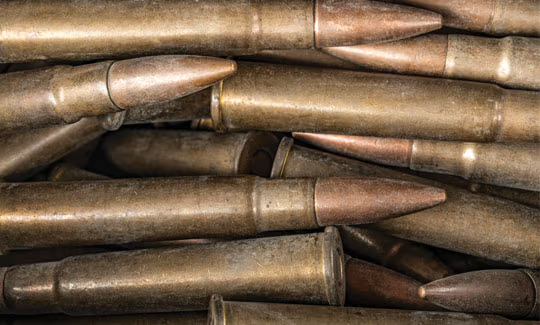
Corrosive ammunition uses a primer that contains potassium chlorate. When ignited, it leaves a residue of corrosive salts in the bore and chamber after firing. Most modern ammunition is not corrosive (dated military surplus ammo is sometimes the exception). Most militaries were aware of the corrosive downside of potassium chlorate before World War II. They distrusted or could not afford the new (and more expensive) non-corrosive primer formulas and continued loading their cartridges with corrosive primers during and after the war. Today, it is nearly impossible to encounter newly manufactured corrosive ammunition, but billions of corrosively primed cartridges are still in circulation as military surplus
Non-Corrosive Ammunition
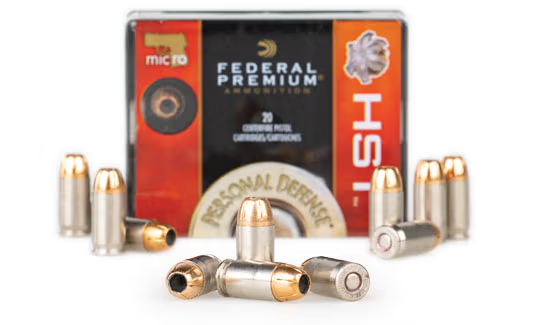
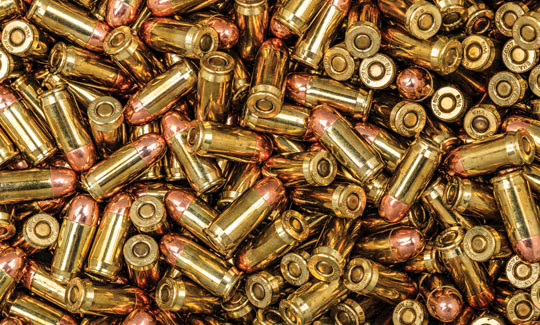
Civilian ammunition manufacturers began offering non-corrosive ammunition during the 1920s. However, most military ammunition continued to use corrosive priming mixtures. The majority of U.S. military cartridge contractors eventually made the transition to non-corrosive primers during the 1950s.
Enclosed Base (EB)
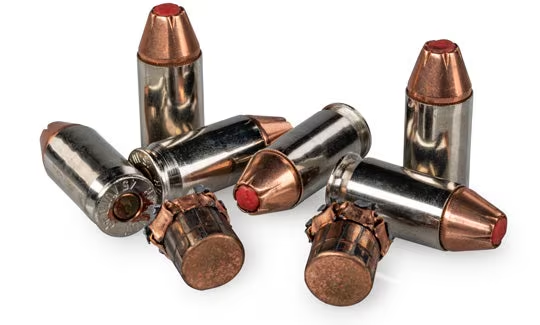
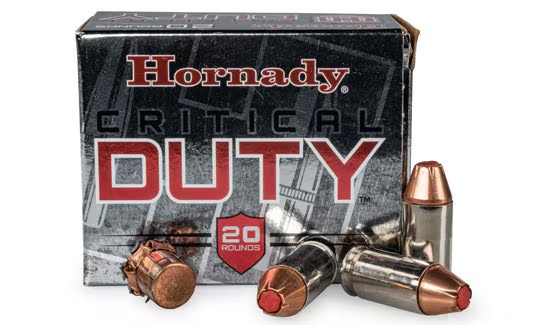
Enclosed base (EB) means there is no bare lead on the base of the bullet. Rather, it is jacketed in order to minimize lead exposure.
Full Metal Jacket (FMJ)
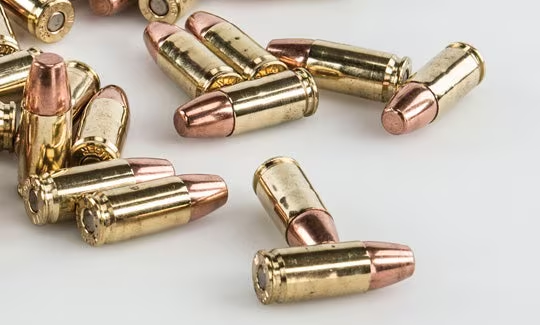
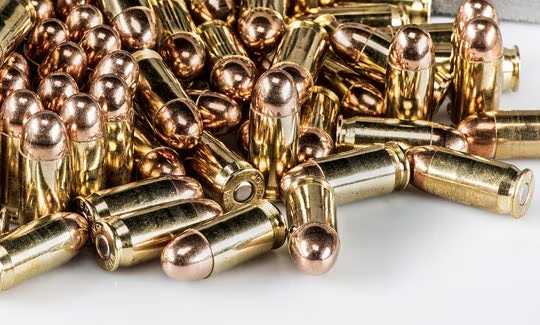
Full metal jacket (FMJ) bullets are bullets that have no exposed lead on the nose or sides and do not deform as dramatically as hollow-point or bare-lead bullets. These are the standard training load for semi-automatics and are not preferred for self-defense.
Foot Pounds Energy (FPE)
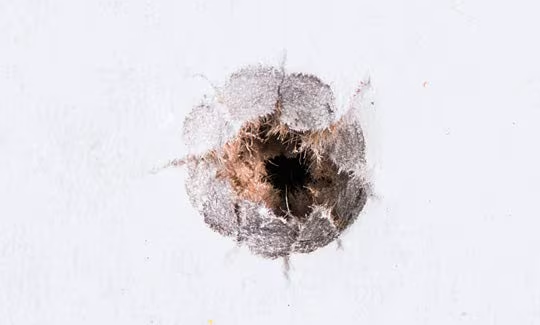
Foot pounds of energy (FPE) is the measurement of the energy the bullet delivers to a target upon impact when fired from a test barrel at the factory. A shooter’s mileage may vary.
Feet Per Second (FPS)
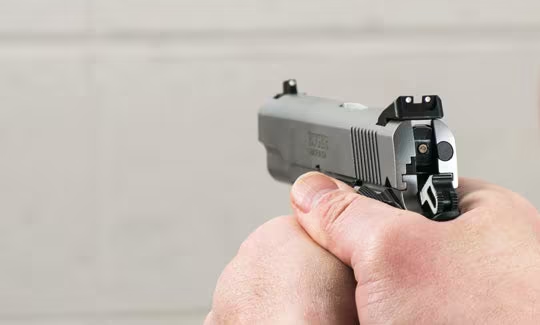
Feet per second (FPS) is the velocity at which the projectiles leave a test barrel at the factory when samples from each lot of ammunition are tested. A shooter’s results may differ due to firearm barrel length — longer barrels provide a greater velocity in fps.
Frangible Bullets
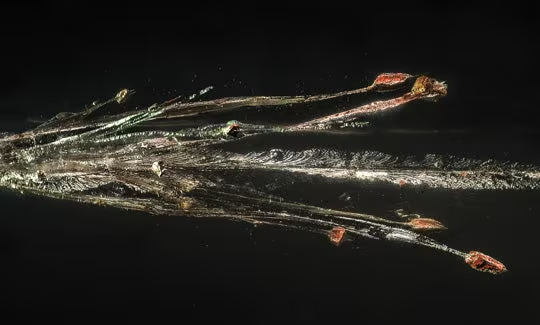
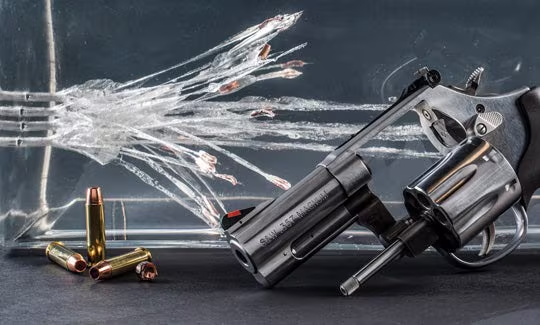
Frangible bullets are target rounds specifically designed to break apart on impact with a backstop. They are widely used at indoor ranges to reduce the risk of ricochets.
Gauge
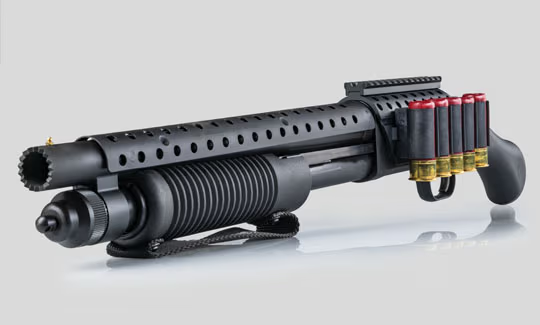
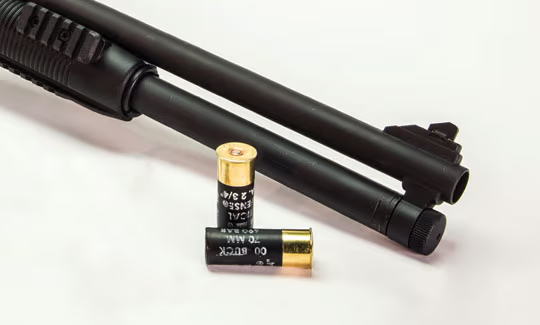
The gauge of a firearm is a unit of measurement used to express the inner diameter or bore diameter of the barrel. It is a term commonly used today in reference to shotguns.
Grain
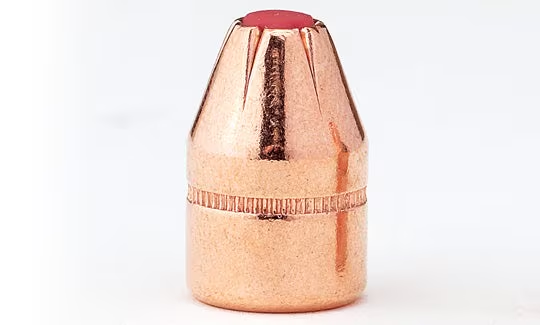
Grain is an archaic unit of measurement that is still used when referring to weights of projectiles. For example, 437.5 grains equals one ounce.
Green-Tip Ammunition
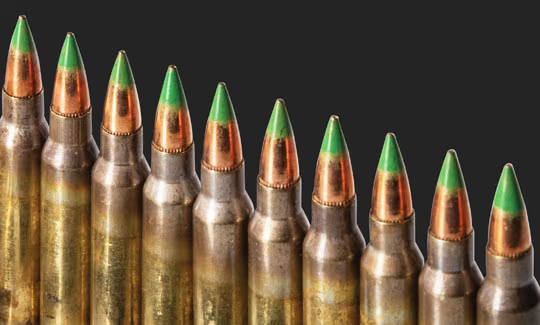
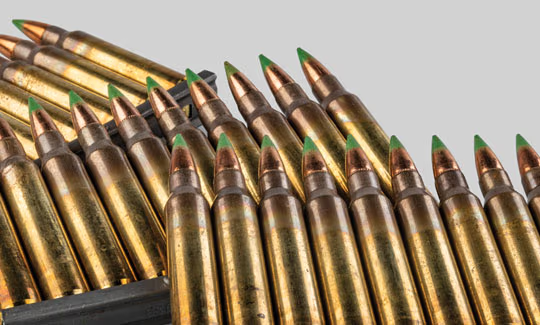
Color-tipped ammunition is produced by various ammunition manufacturers and, unfortunately, the colors are not necessarily universal. Manufacturers may also use colored tips to represent a certain bullet type or style, tracer indicator or jacket type.
Green-tip ammunition is most common in 5.56/.223 Rem caliber and is mainly designed for use with the AR platform. These rounds were originally considered controversial, as they meet one of the criteria of the federal definition of armor-piercing ammunition. However, the Bureau of Alcohol, Tobacco, Firearms and Explosives (ATF) has exempted 5.56/.223 Rem ammunition, clarifying that it is legal to purchase, possess and use.
Hardened Lead
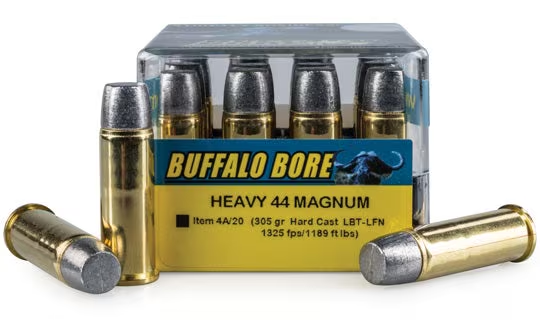
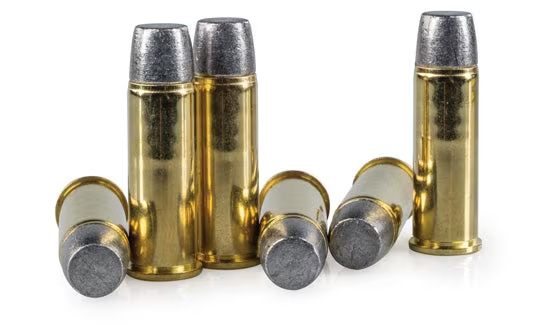
Hardened lead is an alloy of lead and antimony. This alloy is used for bare-lead projectiles, providing better expansion control and less fouling in barrels than unalloyed lead.
Hollow-Point
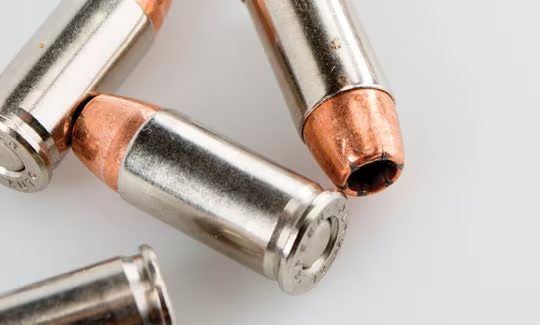
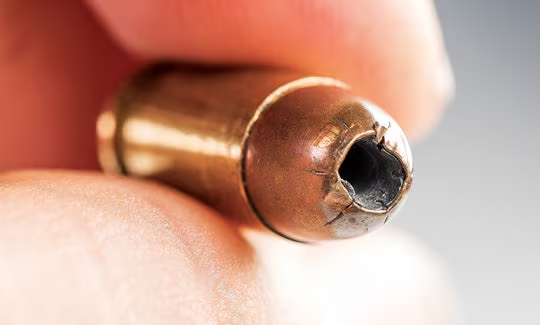
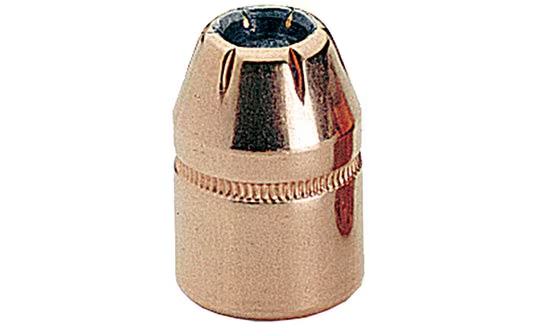
A hollow-point bullet is a bullet that has a cavity carved out of its nose. This is to allow the projectile to open up upon impact with a target in order to cause a larger wound cavity and to expend all of the round’s energy in that target without passing through it.
Jacketed Hollow-Point (JHP)
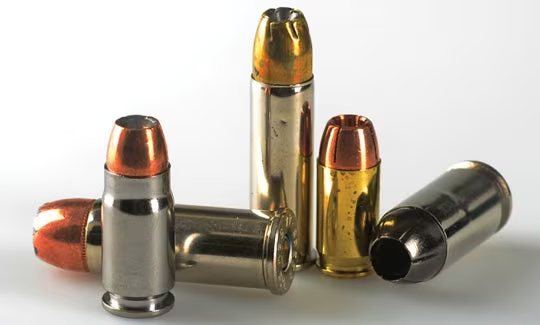
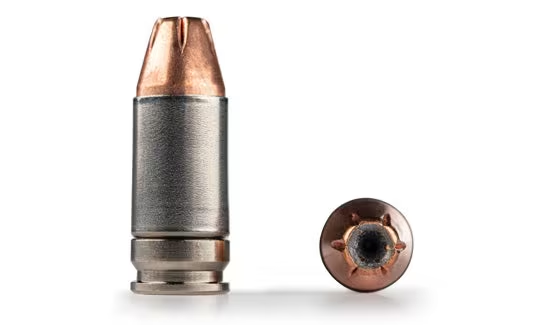
A jacketed hollow-point (JHP) is a hollow-point bullet that is also jacketed. This is done to reduce fouling in the action and barrel of the firearm and to provide more consistent bullet expansion.
Low Flash
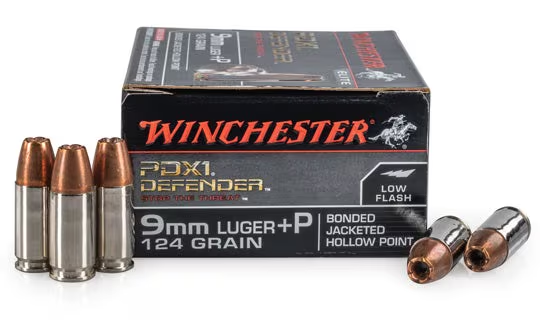
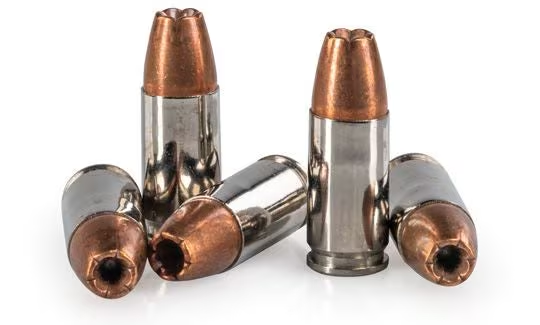
Low-flash ammunition has been specifically loaded to reduce the visible muzzle flash when the gun is discharged.
Low Recoil/Managed Recoil
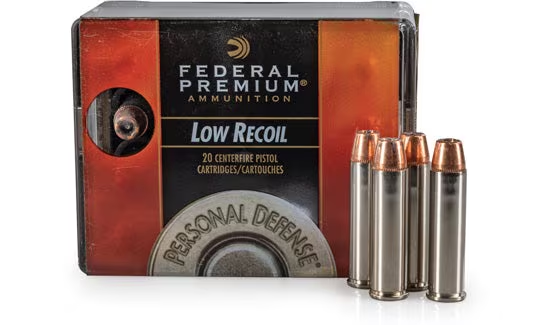
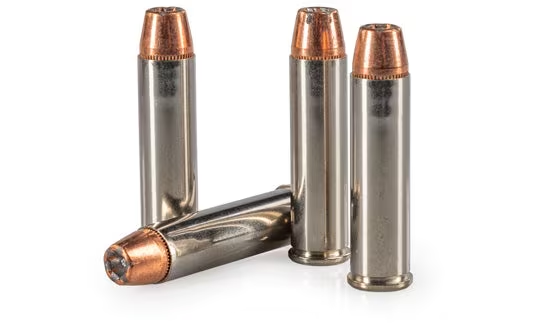
Low-recoil/managed-recoil cartridges have been specifically loaded with a lower powder charge to reduce the felt recoil when the gun is discharged.
Long Rifle (LR)
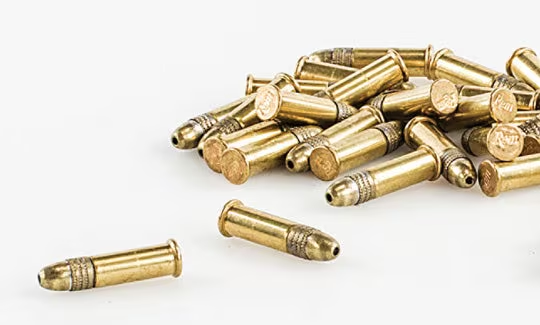
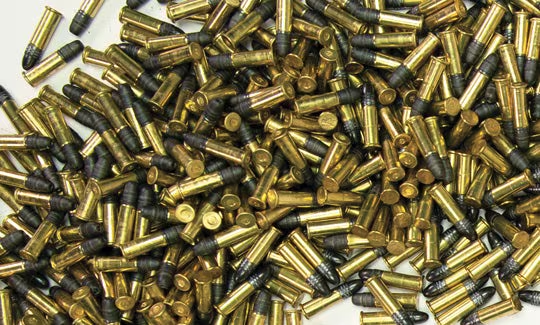
Long rifle (as in .22 LR) is the most common type of .22 ammunition. Before it became the industry standard, there was also the .22 Long and .22 Short, both of which are still available but not nearly as common.
Lead Round Nose (LRN)
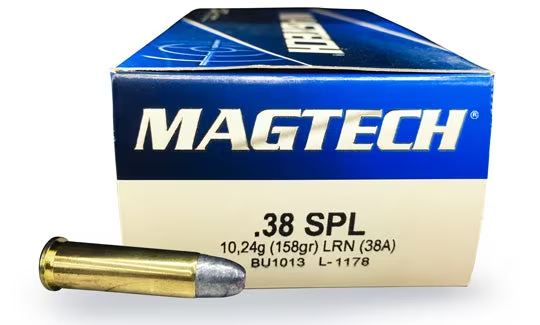
Lead round nose (LRN) bullets — which are bare-lead, unjacketed bullets — are most common in revolvers and are mostly used for target shooting.
Round
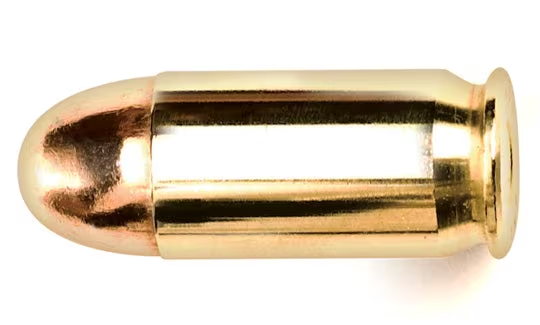
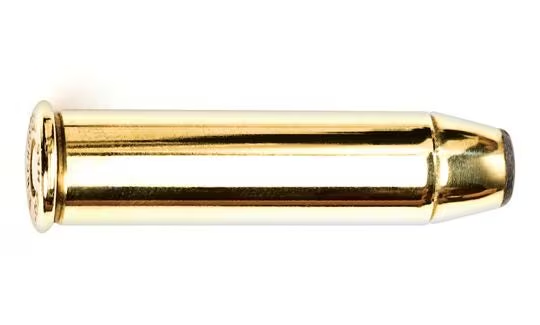
A round is the same as a bullet, however, this term is generally used by law enforcement and the U.S. military.
Semi-Jacketed Hollow-Point (SJHP)
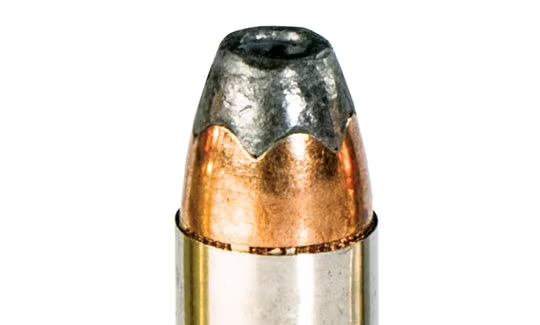
A semi-jacketed hollow-point (SJHP) has that half-jacket in place to act as the point to which the bare lead can expand back to and against. Bare-lead hollow-points basically turn themselves inside out almost like Minié balls, so the bit of jacket can help them retain their mass and penetrate deeper than they otherwise would have.
Semi-Jacketed Soft Point (SJSP)
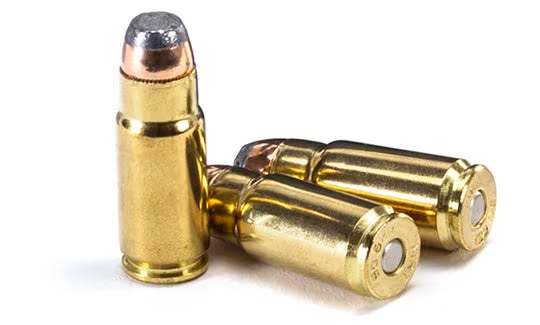
Semi-jacketed soft point (SJSP) bullets look like semi-jacketed hollow-point bullets (SJHP) but without the hollow points. These rounds are commonly used for big game hunting and self-defense when increased penetration is desired.
Special (SPL)
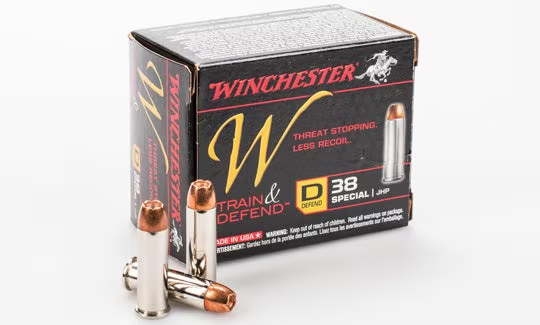
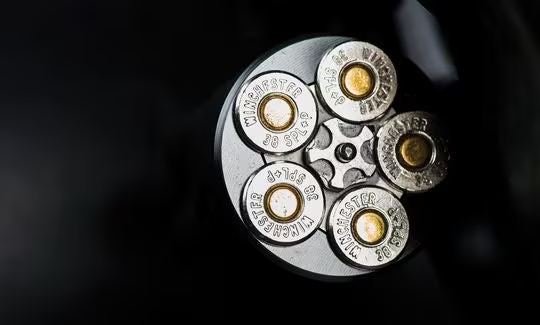
When it comes to firearms, special (SPL) indicates a unique type of cartridge, such as .38 Special or .44 Special. Pay close attention, as cartridges marked “special” are different from other rounds with the same numeric designation but a different suffix, such as .38 S&W or .44 Magnum.
Semi-Wadcutter (SWC)
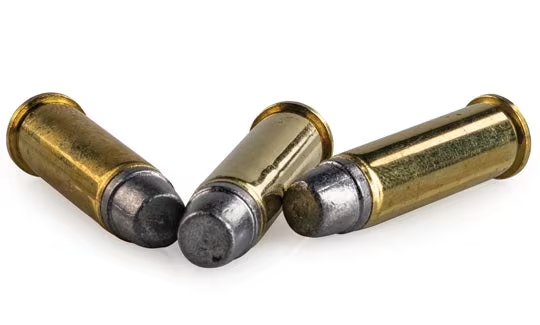
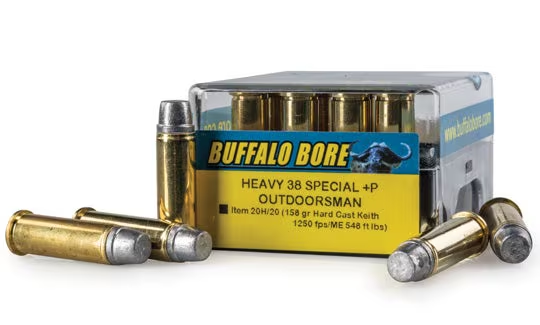
A semi-wadcutter (SWC) is a type of bullet used mostly in target shooting but also for self-defense. When made from hardened lead, these rounds often penetrate better than round-nose bullets.
Semi-Wadcutter Hollow-Point (SWHP)
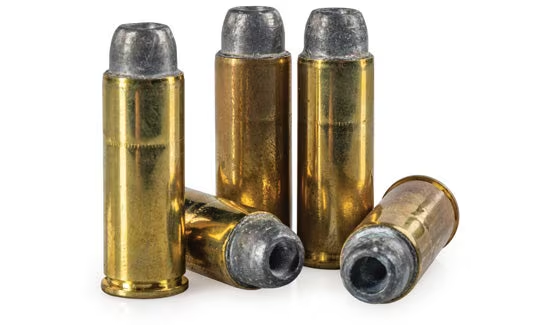
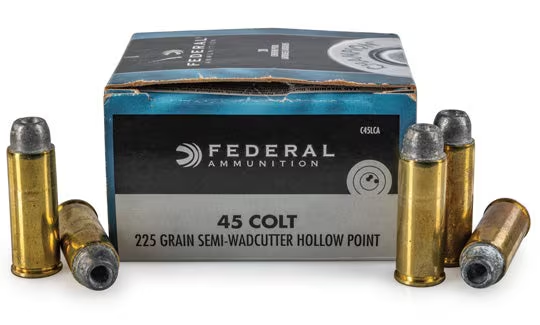
Semi-wadcutter hollow-point (SWHP) rounds are bare-lead bullets with a hollow point — picture a SJHP but all lead. These are more common in the bigger-bullet, lower-velocity cartridges like the .45 Colt.
Truncated Cone (TC)
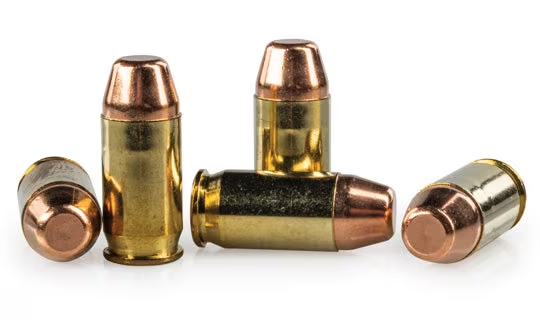
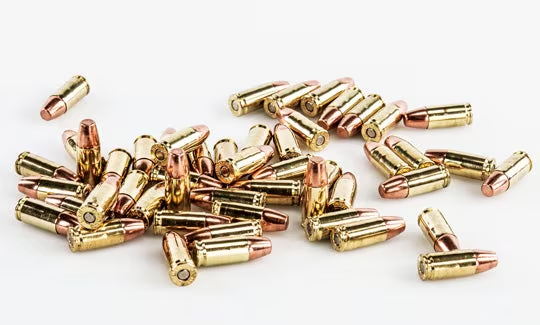
Truncated cone (TC) rounds are the autoloader version of a wadcutter in that they have a flatter nose than a standard ball round.
Total Metal Jacket (TMJ)
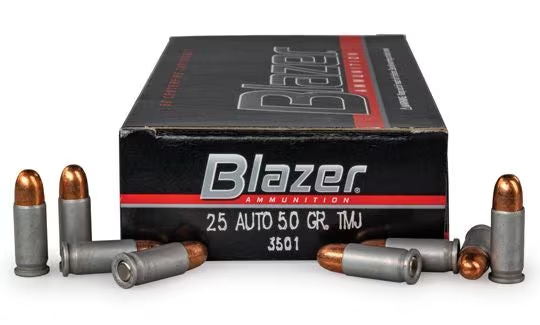
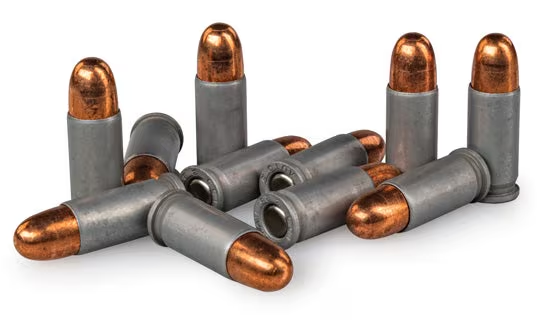
A total metal jacket (TMJ) is a projectile completely electroplated with copper so there is absolutely no exposed lead.
Wadcutter (WC)
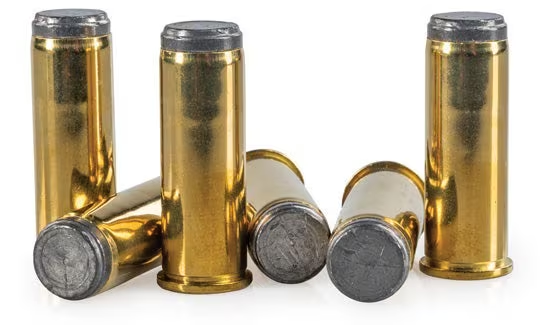
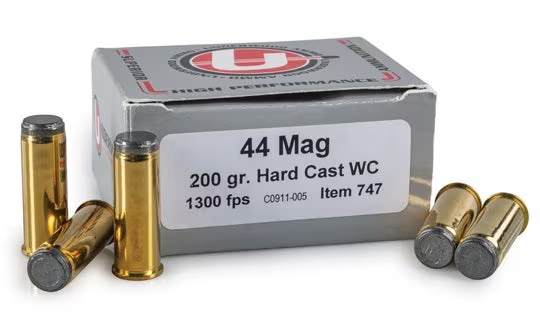
A wadcutter (WC) is a flat-nosed, usually-unjacketed projectile, common in revolver cartridges. These rounds are usually used for target shooting, but are also popular for self-defense in snub-nosed revolvers.
Winchester Magnum Rimfire (WMR)
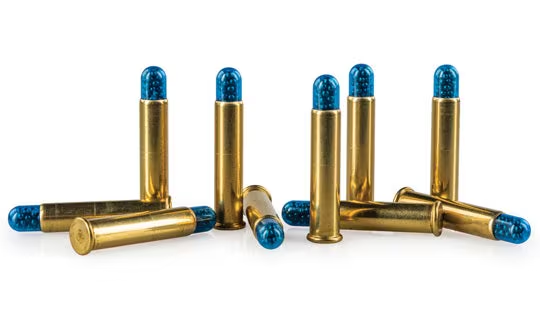
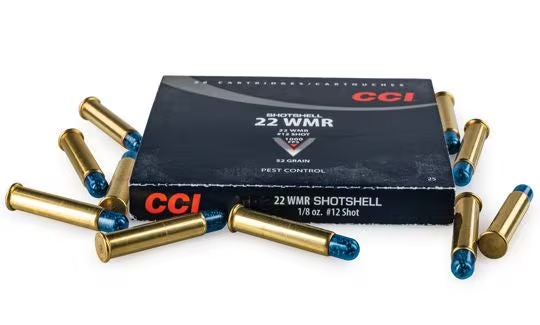
Winchester Magnum Rimfire (WMR), also known as .22 Magnum or .22 Mag, is a longer-cased .22 rimfire round. It is often used for target shooting and small game hunting, though some self-defense oriented sidearms are chambered for this powerful little round.
The information contained on this website is provided as a service to USCCA, Inc. Members and the concealed carry community, and does not constitute legal advice. Although we attempt to address all areas of concealed carry laws in all states, we make no claims, representations, warranties, promises or guarantees as to the accuracy, completeness or adequacy of the information disclosed. Legal advice must always be tailored to the individual facts and circumstances of each individual case. Laws are constantly changing, and as such, nothing contained on this website should be used as a substitute for the advice of a lawyer for a specific case.